Denna sida är endast avsedd för informationssyfte. Vissa tjänster och funktioner kanske inte är tillgängliga i ditt land.

What is crypto volatility? Exploring causes of volatility and strategies to manage it

Crypto trading has become a popular way for people to grow their funds, but it's not without its risks. Before you start trading, it's important to understand the potential risks and how to manage them.

In this article, we 'll explore one of the key risks of crypto trading — market volatility, looking at what external events cause volatility and how you as a trader can navigate future unpredictability in the crypto markets. By the end of this article, you should have a better understanding of what is volatility in crypto and how to manage it.

What is market volatility?

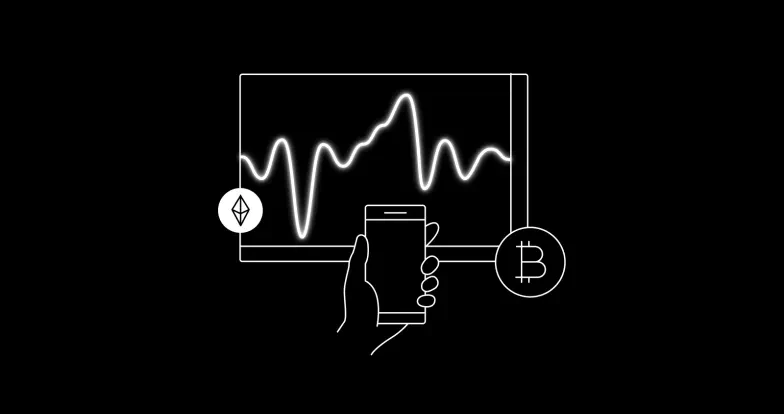
One of the biggest risks associated with crypto trading is market volatility. Cryptocurrency prices can fluctuate wildly and rapidly, making it difficult to predict the future value of your positions. This can lead to significant losses if the market takes a turn for the worse.

For example, in December 2017, Bitcoin reached an all-time high of nearly $20,000, only to drop to around $3,000 just one year later. This level of volatility can be a major challenge for crypto traders. It's important to understand that crypto markets could be speculative and influenced by a variety of factors, such as regulatory changes, news events, and market sentiment. These factors can make it difficult to predict the future value of your holdings and increase the risk of losses.

What causes crypto market volatility?

The crypto market's size and growing mainstream adoption mean that today, many different factors can cause volatility — creating a complex landscape for traders to monitor and make sense of.

Policy

Shifts in the political sphere have shown themselves to influence crypto markets today, as digital assets have now become a major talking point on the campaign trail. This was evident during the most recent U.S. election in 2024, and the months following it. In November 2024, following the news that pro-crypto candidate Donald Trump had secured a return to the White House, bitcoin's price jumped nearly 8% to reach a new all-time high above $75,000. By the time Trump took office on January 20, 2025, BTC had surged to over $109,000 as traders anticipated possible crypto-friendly executive orders. Many traders now look to political leaders for a steer on the market's potential success in specific jurisdictions, as their policies directly impact regulation and therefore the opportunities crypto companies have to reach new customers and boost adoption. As politicians act, crypto traders typically react, creating volatility in the markets.

Regulatory developments

Because the crypto regulatory picture is still emerging globally, developments to laws — whether positive or negative for the industry — can add to volatility. Although crypto advocates usually champion decentralization, the industry remains under the influence of regulatory oversight that exists to protect individuals and their funds.

Favorable regulation can, for example, lead to greater institutional adoption as firms grow comfortable gaining exposure to crypto markets. On the flip side, a regulatory crackdown can create a bullish environment, leading traders away from crypto.

Macroeconomic shifts

Past price action suggests that macroeconomic factors also impact crypto market volatility. More specifically, many crypto traders will keep a close eye on the performance of tech stocks, as past history has suggested a correlation between the two markets. For example, on Tuesday 25 February, 2025, crypto prices experienced a sharp decline on the news that Nasdaq futures data had pointed to losses in technology stocks. BTC fell to a three-month low below $89,000 as a result, while ETH slid by more than 11% to below $2,340. Some believe the correlation between tech stocks and crypto derives from both being seen as high-risk assets. As a result, price action for tech stocks can trigger a similar response from crypto as traders react in kind.

Similarly, the crypto market saw a shift in sentiment during early 2025 as U.S. President Trump set out plans for various tariffs placed on goods from China, Mexico, Canada, and some European nations. The move created a risk-off environment, causing some traders to move their funds away from crypto and towards assets that could be considered safer.

Strategies to manage market volatility

Despite the risks associated with market volatility, there are strategies you can use to manage risk and potentially minimize losses. Some of these strategies include:

Educate yourself

Before you start trading, it is important to educate yourself on the crypto market and the different coins and tokens available. This will help you to understand market trends and signals and make more informed trading decisions.

Diversify your portfolio

Diversifying your portfolio by trading a variety of coins and tokens can help to reduce the risk of losses. This way, if one coin performs poorly, your overall portfolio may still be protected.

Use take profit and stop loss (TP/SL) orders

TP/SL orders can help to limit your losses or take profit by automatically selling your positions when they reach a certain price.

Don't chase quick gains

Don't let the potential for quick gains cloud your judgment. It's important to stick to your trading strategy and not to make impulsive decisions based on the potential for short-term earnings.

The final word

Although crypto trading can be rewarding, it can also be challenging to navigate. Understanding the risks associated with market volatility is crucial to making informed decisions and potentially reducing the risk of losses.

By staying informed on market trends, diversifying your portfolio, setting TP/SL orders, and sticking to your trading strategy, you can better manage market volatility and maximize your chances of success in the crypto market.

Friskrivningsklausul
Detta innehåll tillhandahålls endast i informationssyfte och kan omfatta produkter som inte finns tillgängliga i din region. Syftet är inte att tillhandahålla (i) investeringsrådgivning eller en investeringsrekommendation; (ii) ett erbjudande eller en uppmaning att köpa, sälja eller inneha krypto/digitala tillgångar, eller (iii) finansiell, redovisningsmässig, juridisk eller skattemässig rådgivning. Innehav av krypto-/digitala tillgångar, inklusive stabila kryptovalutor, innebär en hög grad av risk och kan fluktuera kraftigt. Du bör noga överväga om handel med eller innehav av krypto/digitala tillgångar är lämpligt för dig mot bakgrund av din ekonomiska situation. Rådgör med en expert inom juridik, skatt och investeringar om du har frågor om dina specifika omständigheter. Information (inklusive marknadsdata och statistisk information, om sådan finns) i detta meddelande är endast avsedd som allmän information. Även om all rimlig omsorg har lagts ned på att ta fram dessa data och grafer, accepteras inget ansvar för eventuella faktafel eller utelämnanden som uttrycks häri.

© 2025 OKX. Denna artikel får reproduceras eller distribueras i sin helhet, eller så får utdrag på 100 ord eller mindre av denna artikel användas, förutsatt att sådan användning är icke-kommersiell. All reproduktion eller distribution av hela artikeln måste också anges på en framträdande plats: ”Den här artikeln är © 2025 OKX och används med tillstånd.” Tillåtna utdrag måste hänvisa till artikelns namn och inkludera attribut, till exempel ”Artikelnamn, [författarens namn om tillämpligt], © 2025 OKX.” En del innehåll kan genereras eller assisteras av verktyg med artificiell intelligens (AI). Inga härledda verk eller annan användning av denna artikel är tillåten.
Relaterade artiklar

Visa mer
Liquidity pools and APY

What is liquidation when trading crypto?

One of the most dangerous and attractive aspects of crypto is the industry’s high volatility. Crypto markets are open 24/7, meaning these volatile swi
26 mars 2026
Nybörjare
Generic tokens thumbnail

Top 13 ways to earn passive income from crypto in 2025

Cryptocurrencies have become increasingly popular over the past decade. Crypto assets such as Bitcoin, Ethereum, and other altcoins, have gained wides
26 mars 2026
Intermediär
Options trading generic thumb

Option expiration dates: what happens when options expire?

Have you seen 'DTE' while scrolling through social media and wondered what it means? DTE, or 'days to expiry,' indicates how long remains before an op
26 mars 2026
Intermediär
trade-academy-spot-1

What does BBO mean?

Best-bid-offer (BBO) refers to the best bid and ask price on the order book at any given time. It's used to quickly set limit order prices that match
26 mars 2026
Generic charts thumbnail

Understanding crypto chart patterns: a guide to charting and analysis

In recent years, cryptocurrency has become one of the most popular asset classes to trade. And like any other financial market, cryptocurrency is subj
25 mars 2026
Intermediär
okx learn default

What is a stop order and how does it work?

While trading cryptocurrencies on an exchange usually involves buyers and sellers placing market orders, more sophisticated traders require more advan
25 mars 2026
Visa mer